Home
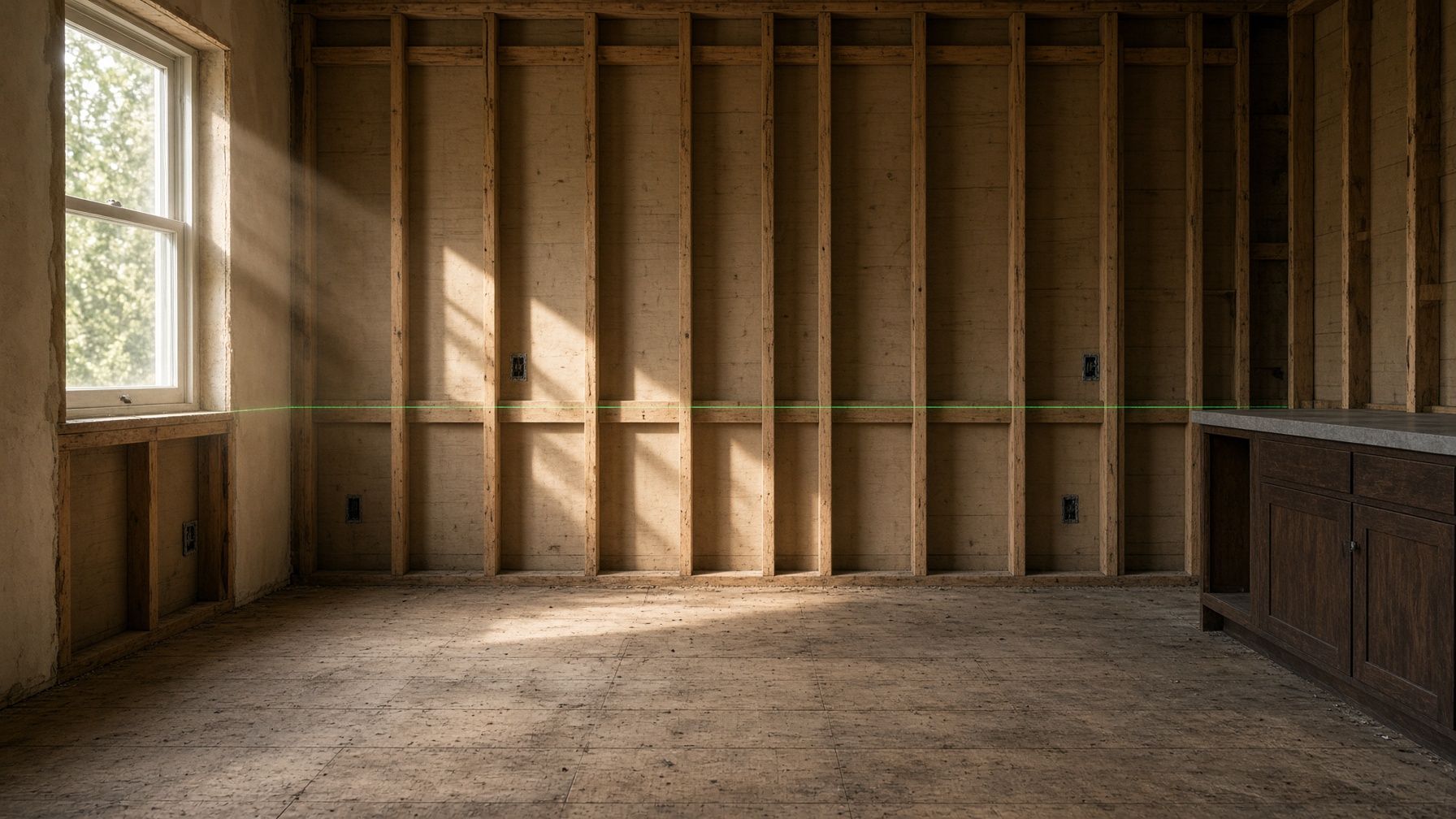
Scan the room. Order the cut.
Exact lengths, a shopping cart at the big box, optional kiosk mill while you wait. AR placement when the material lands.
Device-agnostic · 90% software
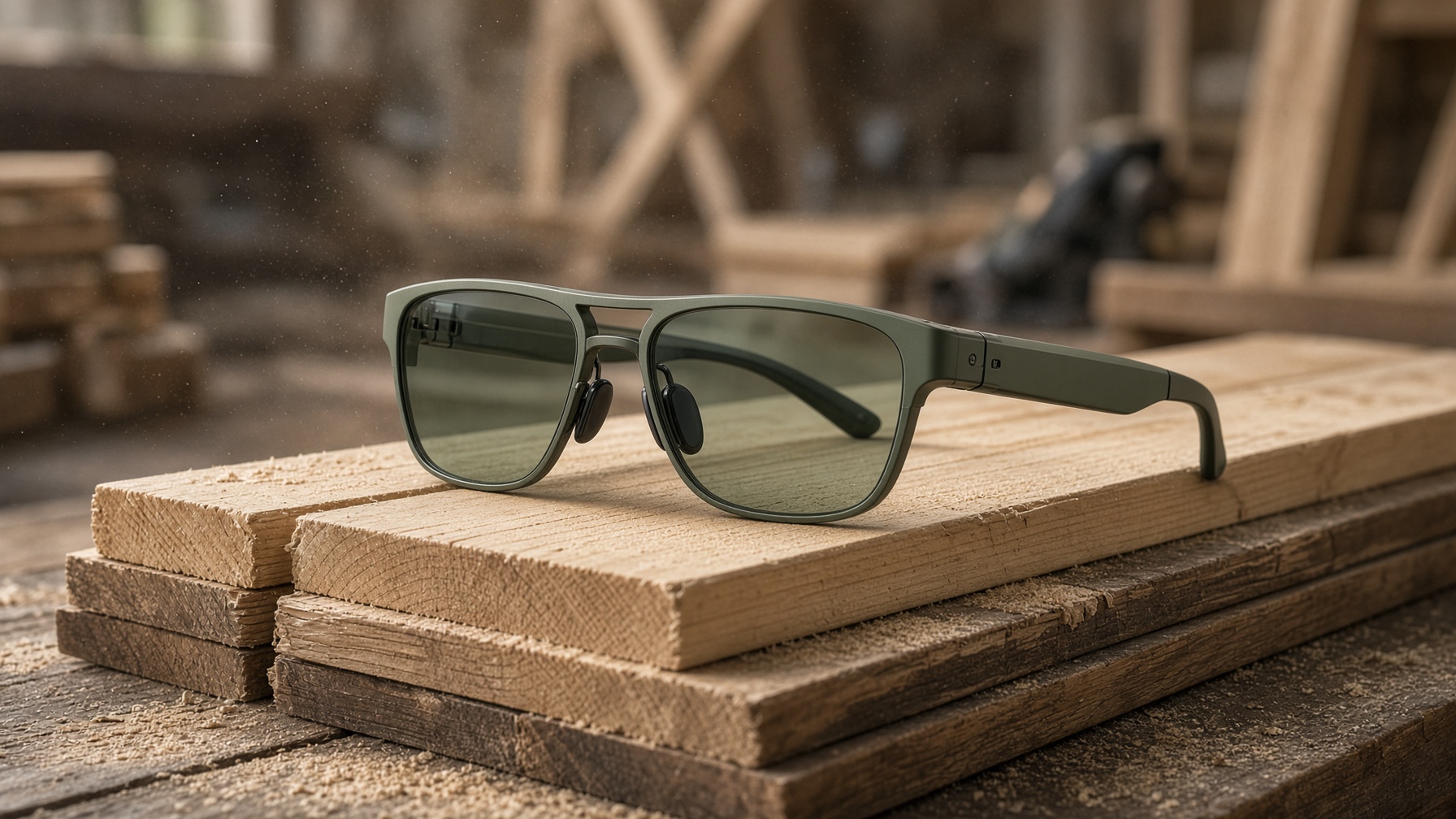
carpAintry turns commercially available AR glasses into a precision field instrument. Live geometry writes the cut list, the purchase order, and the mill ticket — so the piece that arrives is the piece that fits.
Closed loop
BIM or a simple plan, tagged with part IDs.
Glasses lock the model to the room.
Live planes, openings, and uncertainty.
Discrepancies become an updated twin.
1D/2D cuts against real stock and sequence.
Just-in-time, residual-aware procurement.
Trailer mill or commercial saw, labeled.
Bundles sequenced to the point of use.
Optional AR overlay, first-time fit.
Yield and accuracy feed the next job.
Progressive entry
Home
Exact lengths, a shopping cart at the big box, optional kiosk mill while you wait. AR placement when the material lands.
Trade
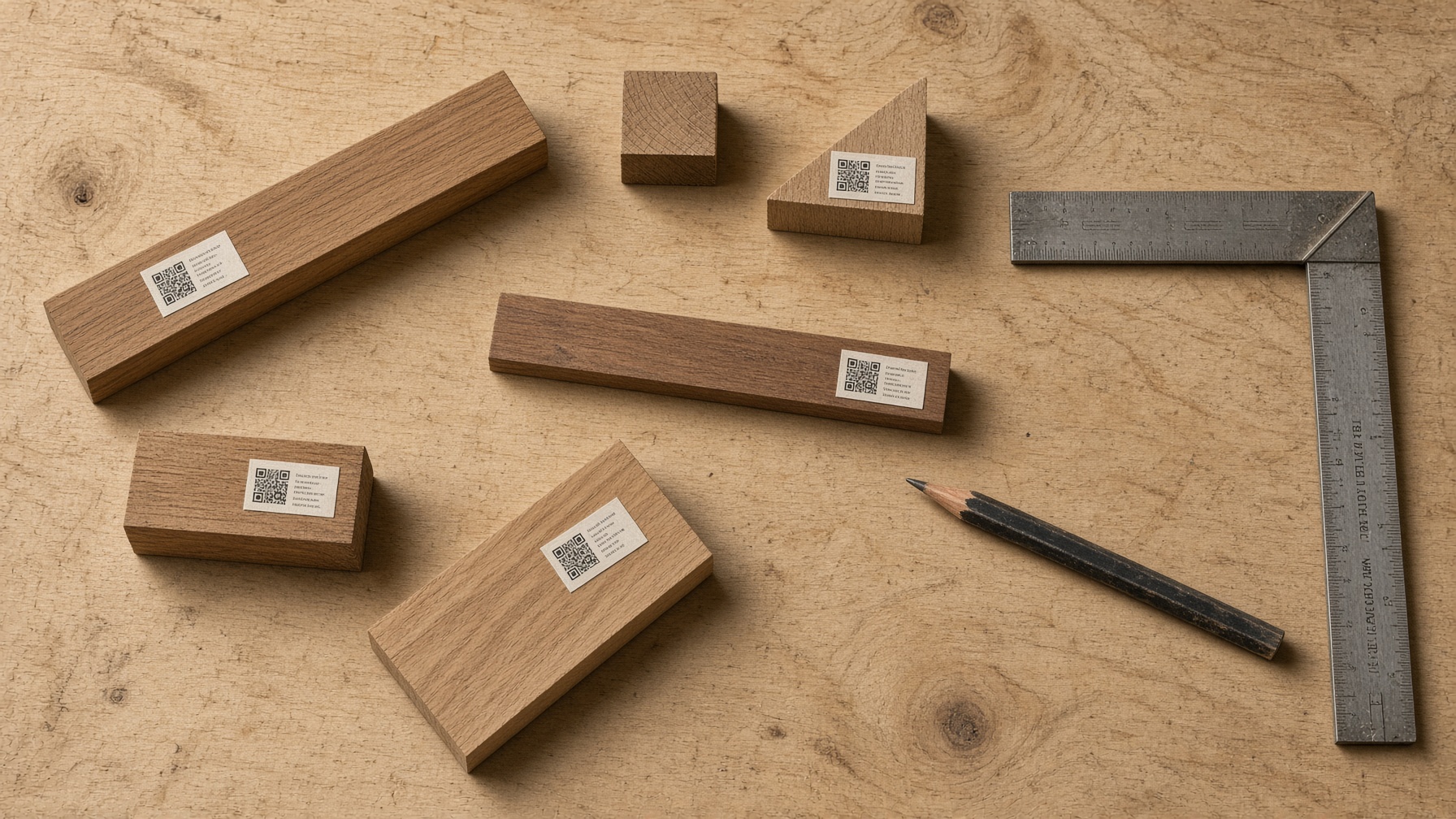
Instant takeoff, QuickBooks job cost, residuals back into inventory. Payback measured in months, not fiscal years.
Enterprise
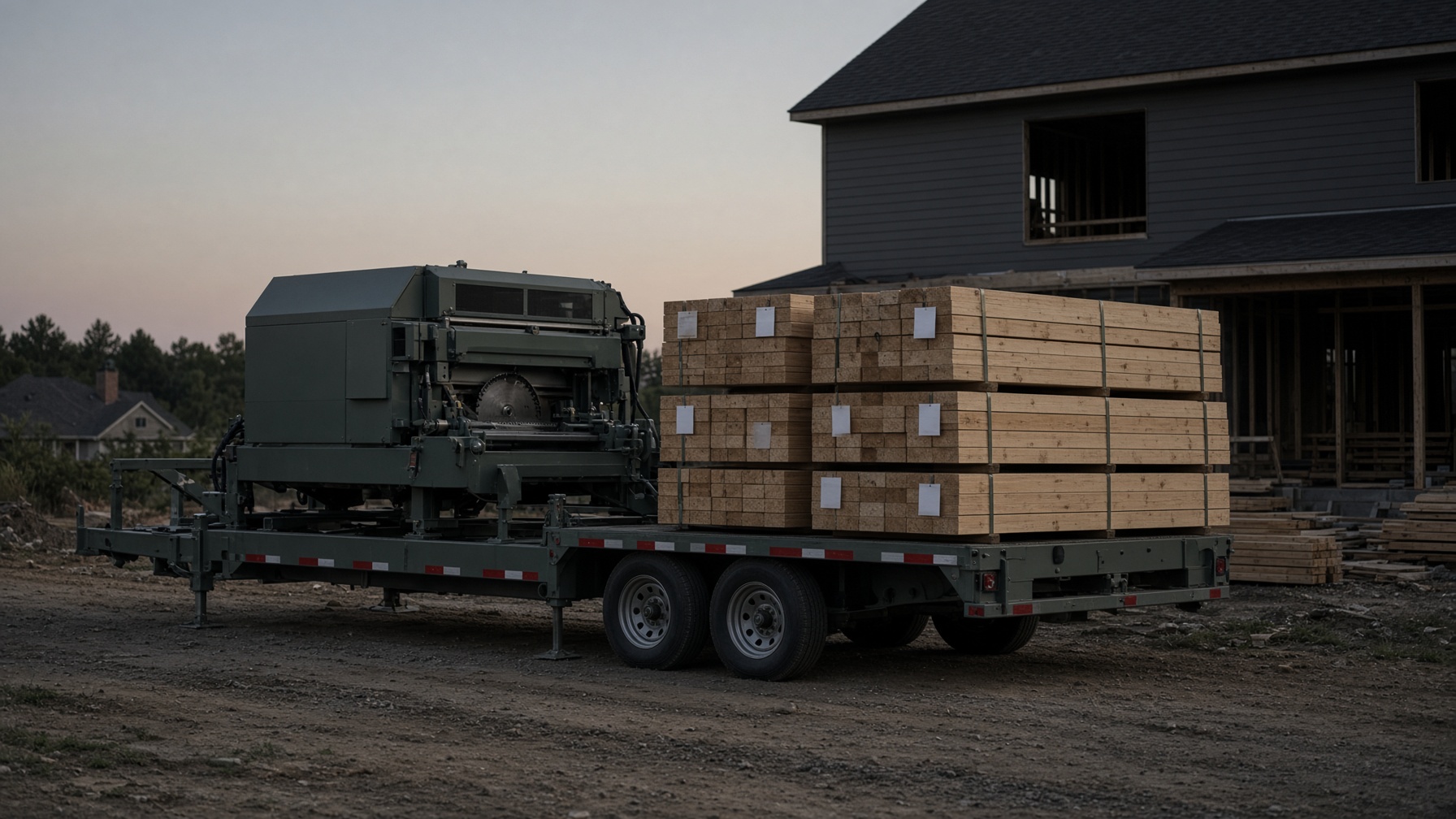
Hybrid mill network, BIM twins, portfolio waste and fit. Own the loop without owning every saw.
Why it exists
Glasses and models take the repetitive measurement work. The tradesperson still decides, installs, and owns the job.
Software lives where the walls are out of plumb. True as-builts feed production — not the other way around.
Measurement automation creates mill operators, validators, and residual logistics. Small shops get bigger without adding headcount first.
Cut-long-and-fit is a 10–15% tax. Optimized nesting against real stock and tracked offcuts aims at 30–70% less scrap.
The next generation of carpenters will expect tools that understand space. This is that tool, on devices they already wear.
Prototype